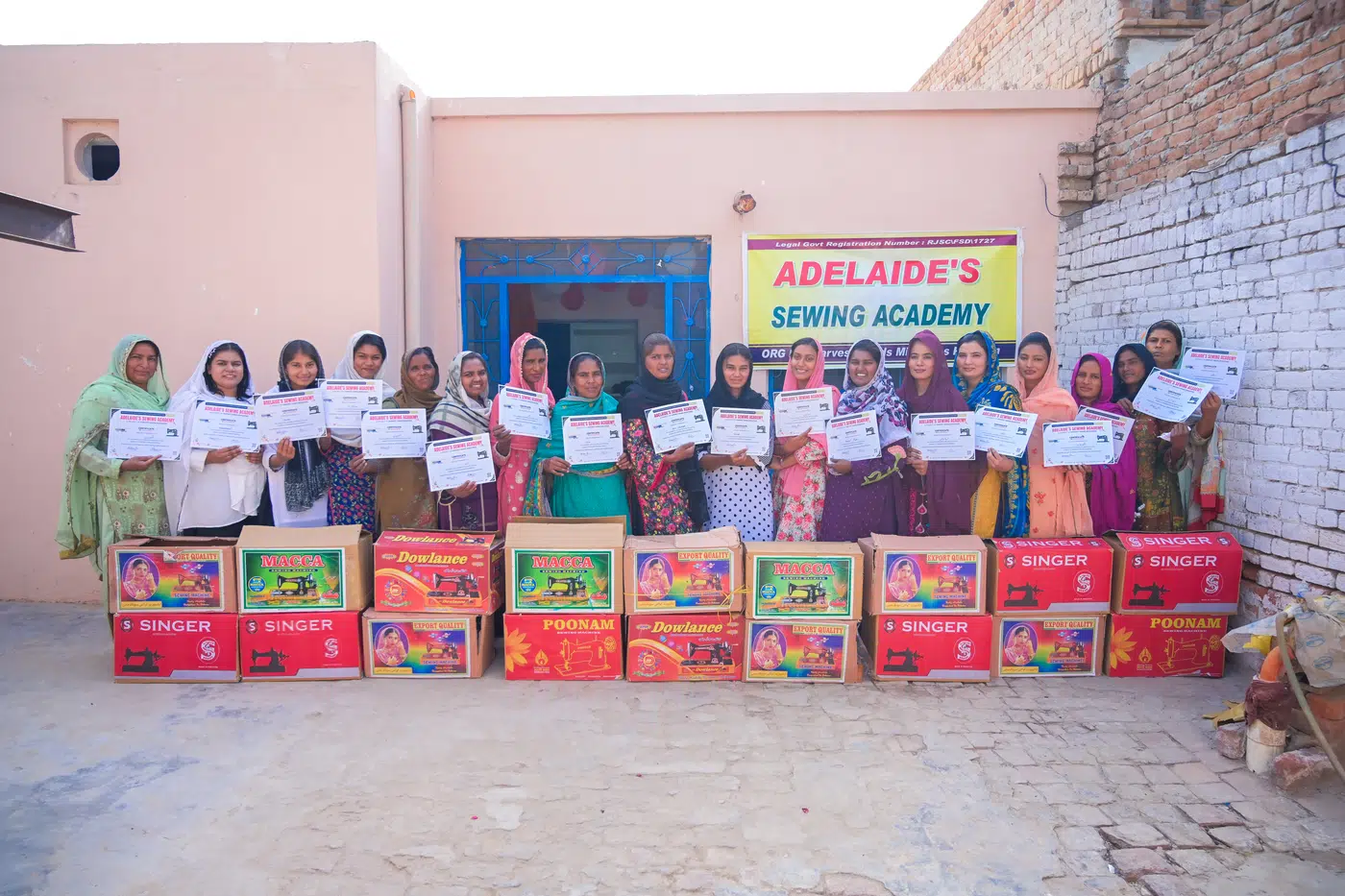
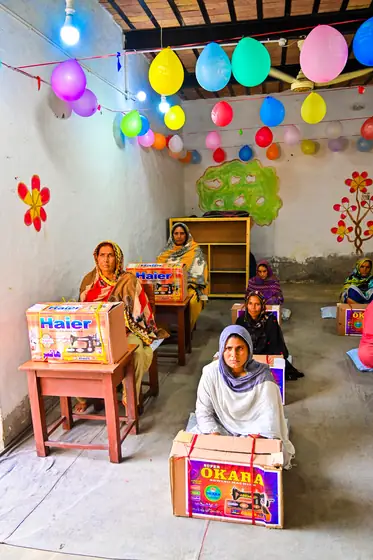
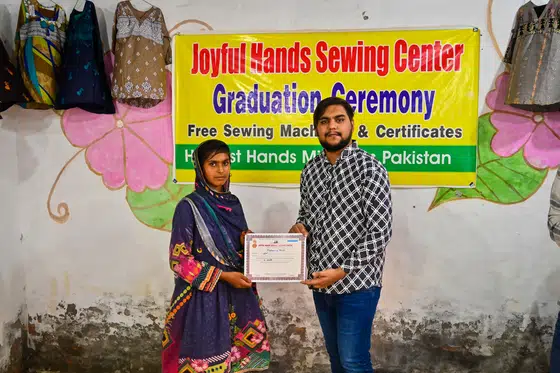
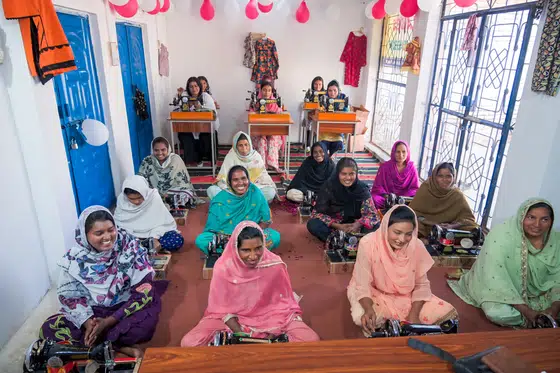
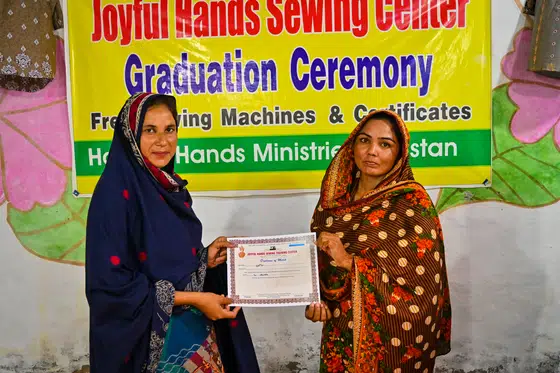
Almost every woman who walks into our sewing centres came from the same place — cleaning other people's houses for a wage that never covered the month, spoken to as though she were furniture, with nothing ahead of her that looked different. Three months later she leaves with a trade, a certificate and a sewing machine of her own.
It is worth being plain about what most of these women were doing before. They worked as maids in other people's homes — sweeping, washing, cleaning — for very little, and they were treated accordingly. Not cruelly, always, but without dignity: told where to sit, spoken past rather than to, and paid in a way that made leaving impossible.
There was no future in it. There was no version of that job where things got better in five years. And for a woman with no schooling and no skill, there was nothing else on offer.
A trade changes every part of that. A woman who can sew can take orders from her own neighbourhood. She can work from her own home, at her own hours, around her own children — which for a mother is not a small detail, it is the whole thing. She can stitch for weddings and for Eid and for school uniforms. She can teach her daughters.
And she is treated differently, because she is now the person other people need. She is not somebody's maid. She is the woman who makes the clothes. That shift — from being used to being needed — is what the students talk about most, more than the money.
The money is real too. A graduate stitching steadily can cover her household's food, put her children into school, and stop dreading the end of the month. Several have gone on to take students of their own.
Domestic work in other people's houses — long hours, low pay, and no respect in it. For most of our students it was the only work they had ever been offered.
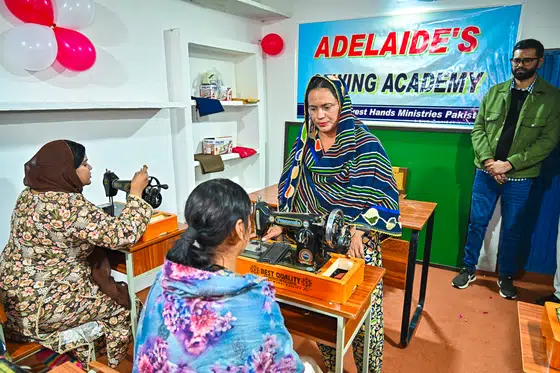
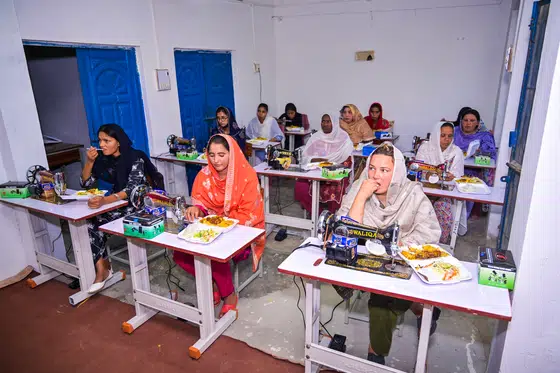
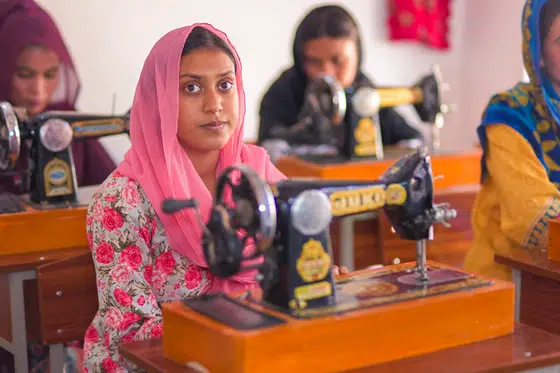
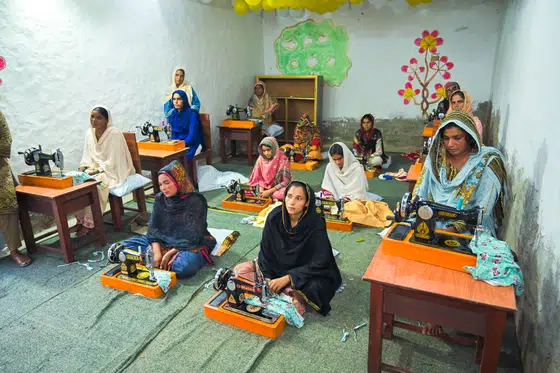
Cutting, stitching, finishing, measuring and pricing. Taught properly, by women who do this for a living, not as a hobby class.
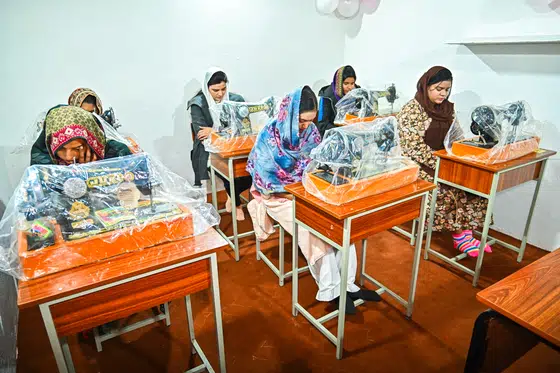
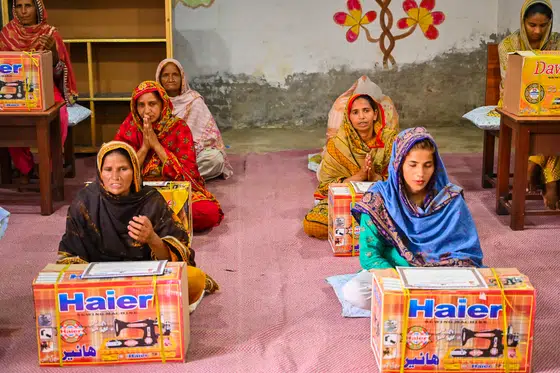
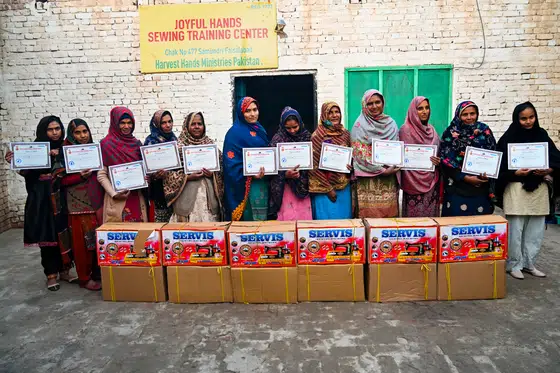
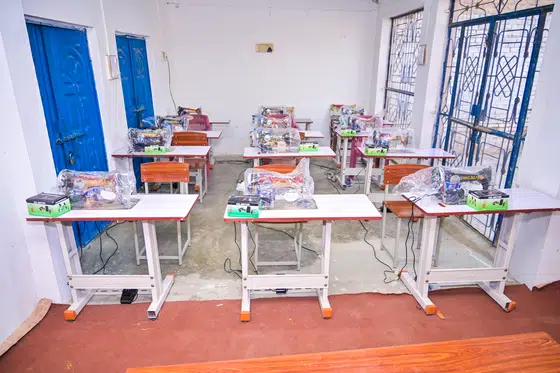
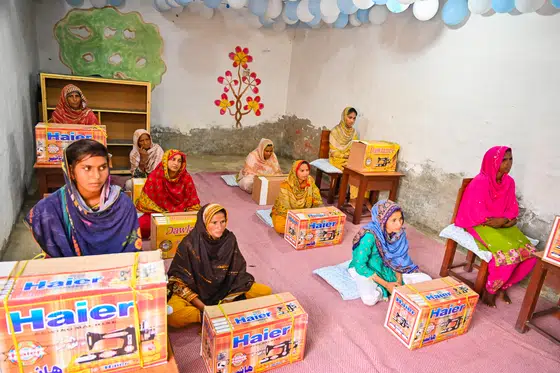
Every graduate leaves with a new machine. Without one, a certificate is a piece of paper — with one, she can take an order the same week.
Her own customers, her own prices, her own hours. Nobody can dismiss her at the end of the month, because nobody employs her.
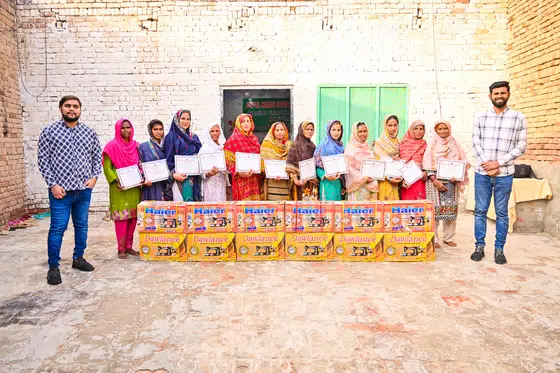
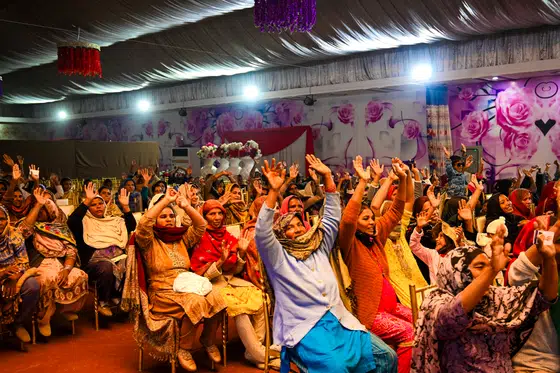
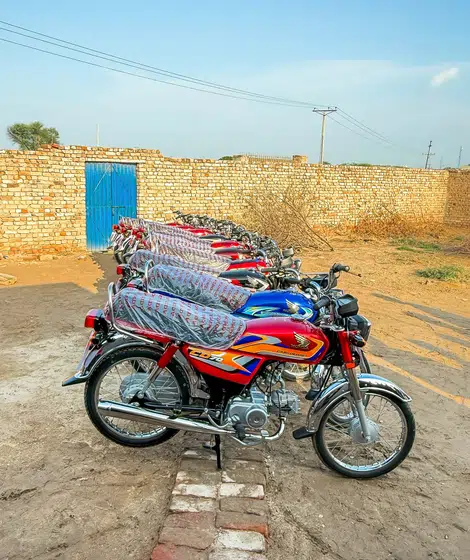
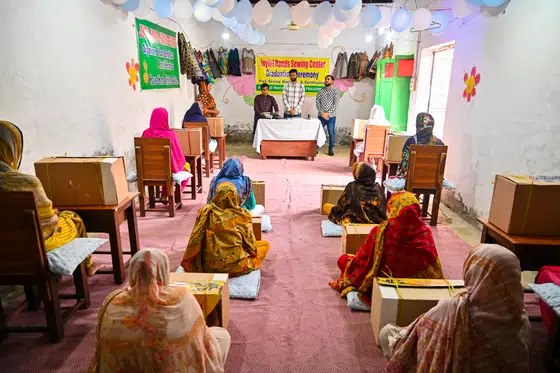
These are our own photographs from the centres — the first stitches, the graduation day, the machine going home on a rickshaw.
See the full gallery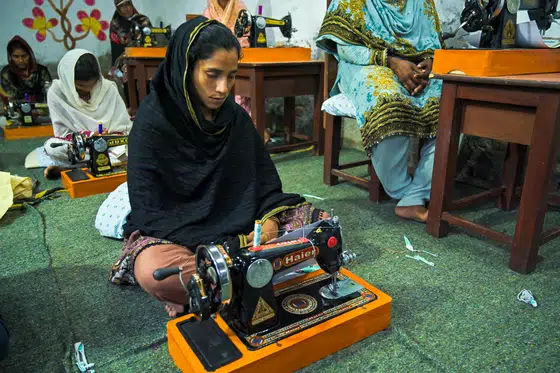
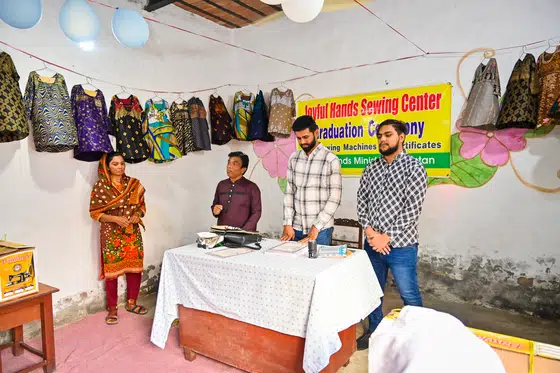
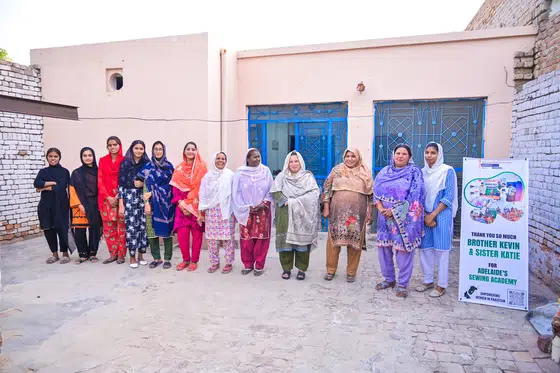
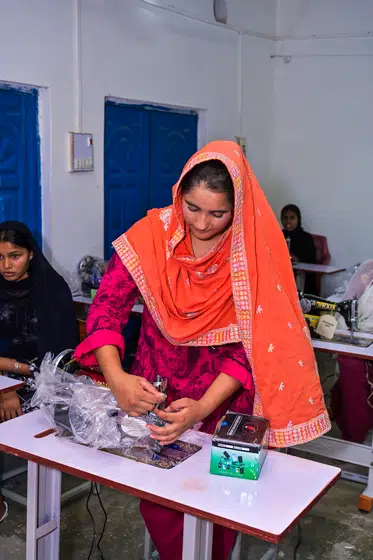
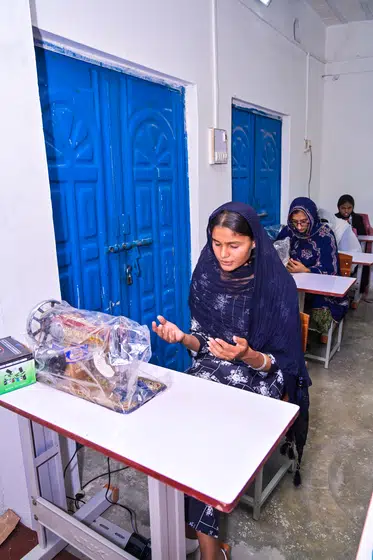
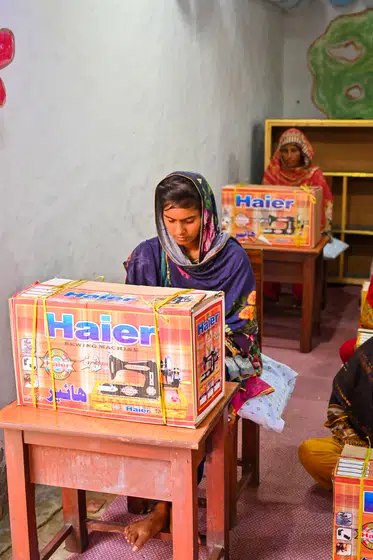
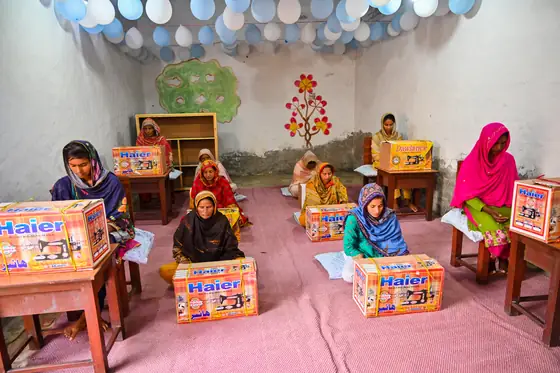
“I had no skill and no husband. They trained me on a machine and gave me one to keep. I stitch for my whole village now and I am no longer afraid of the month ending. My sons eat because Jesus sent someone to teach me.”ShaziaSewing centre graduate
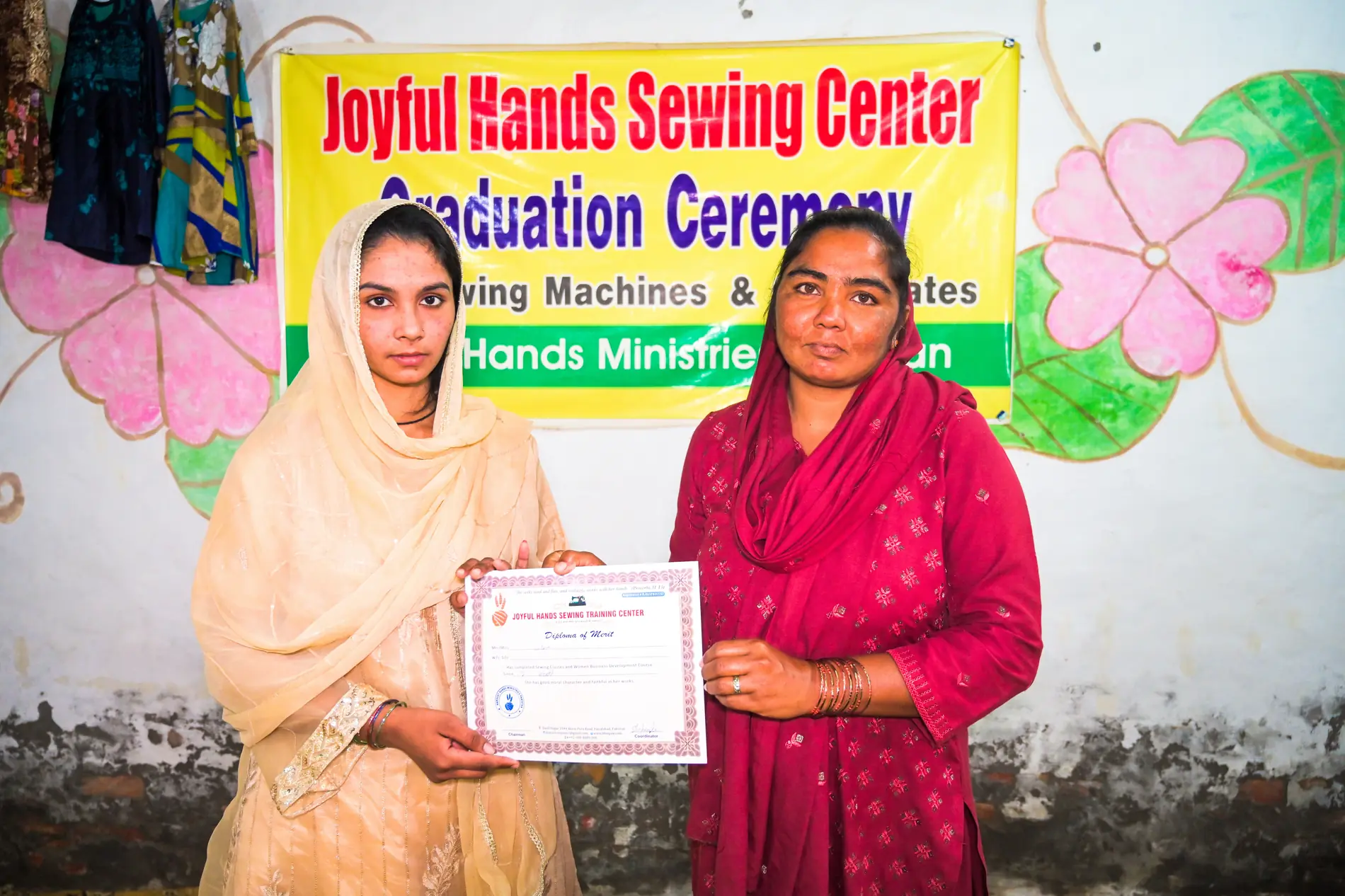
“She opens her hand to the poor and reaches out her hands to the needy… Strength and dignity are her clothing.”
Proverbs 31:20,25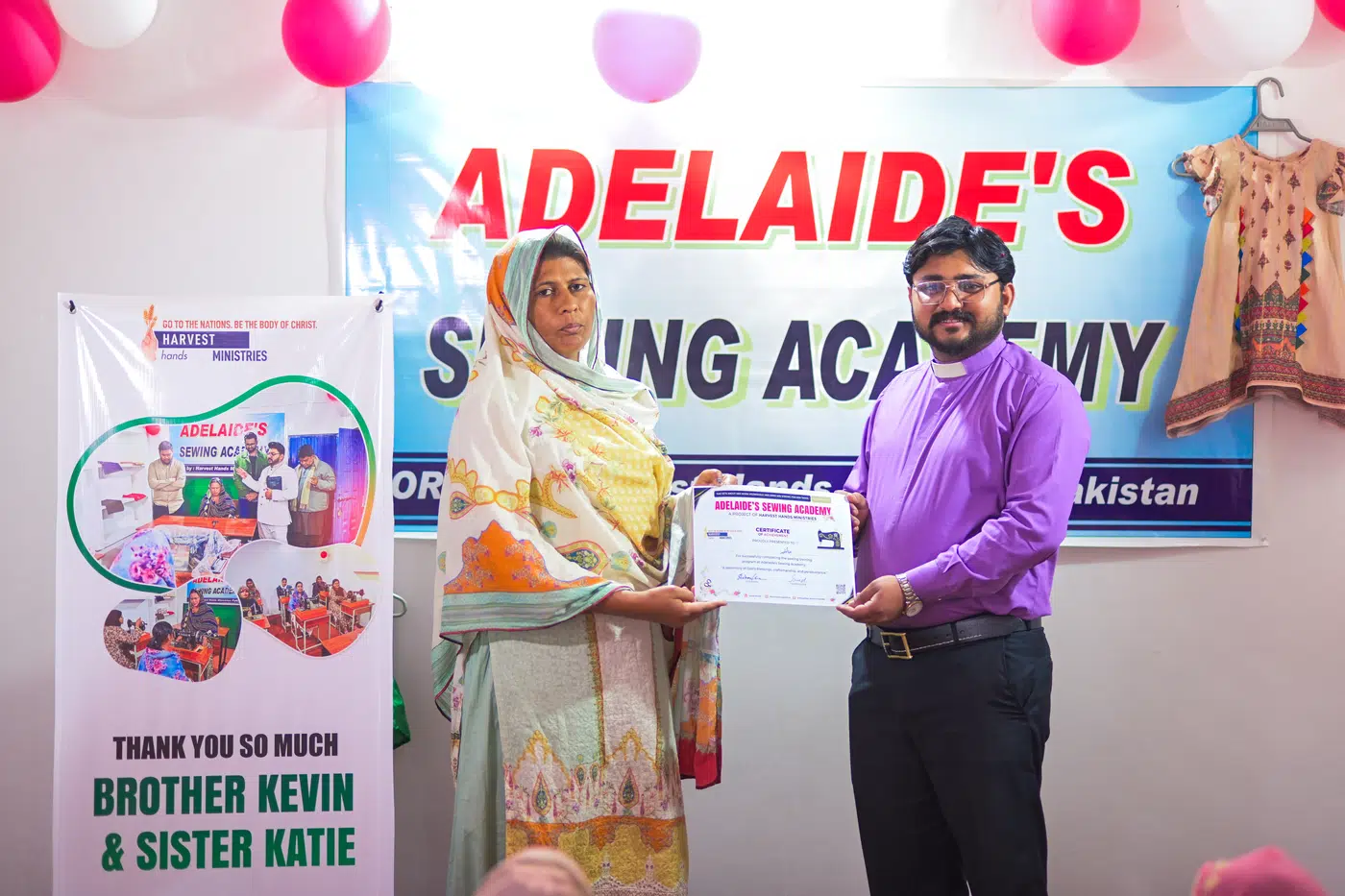
Fund a place on the course and the machine that goes with it, and a woman stops cleaning other people's floors and starts running something of her own.
Pick an amount — it opens PayPal straight away. No account needed.
All ways to give