Across Pakistan, entire families — including children — are trapped in bonded labour at brick kilns, working to pay a debt that only ever grows. This is what it looks like, and what it takes to end it.
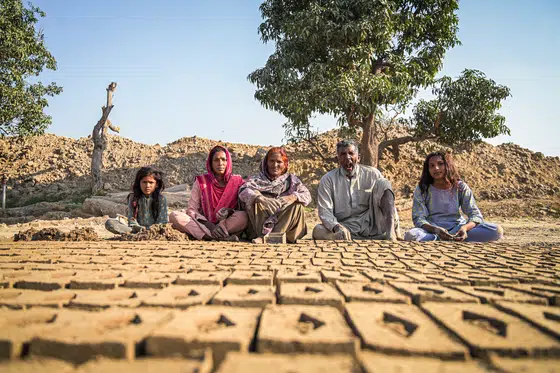
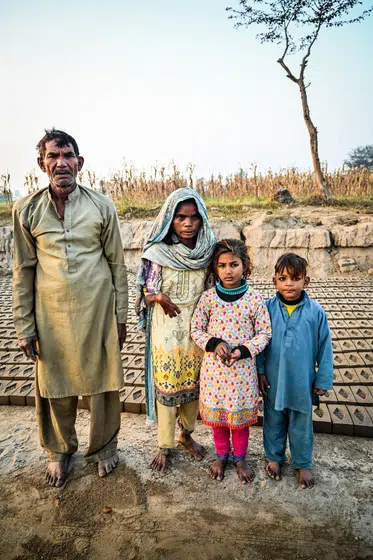
These are real families, photographed with their knowledge, at the kilns where they work.
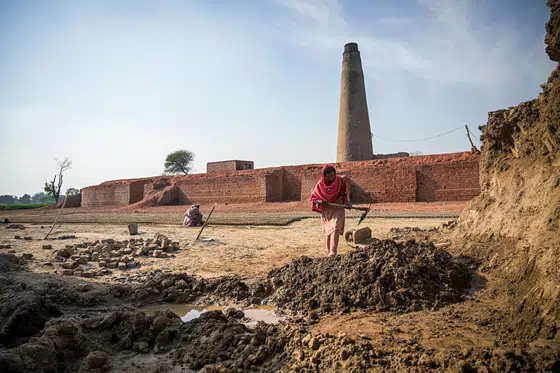
It begins with a loan. A medical bill, a funeral, a wedding, a failed harvest. A kiln owner offers an advance — called a peshgi — and in exchange the family comes to work at the kiln until it is paid off.
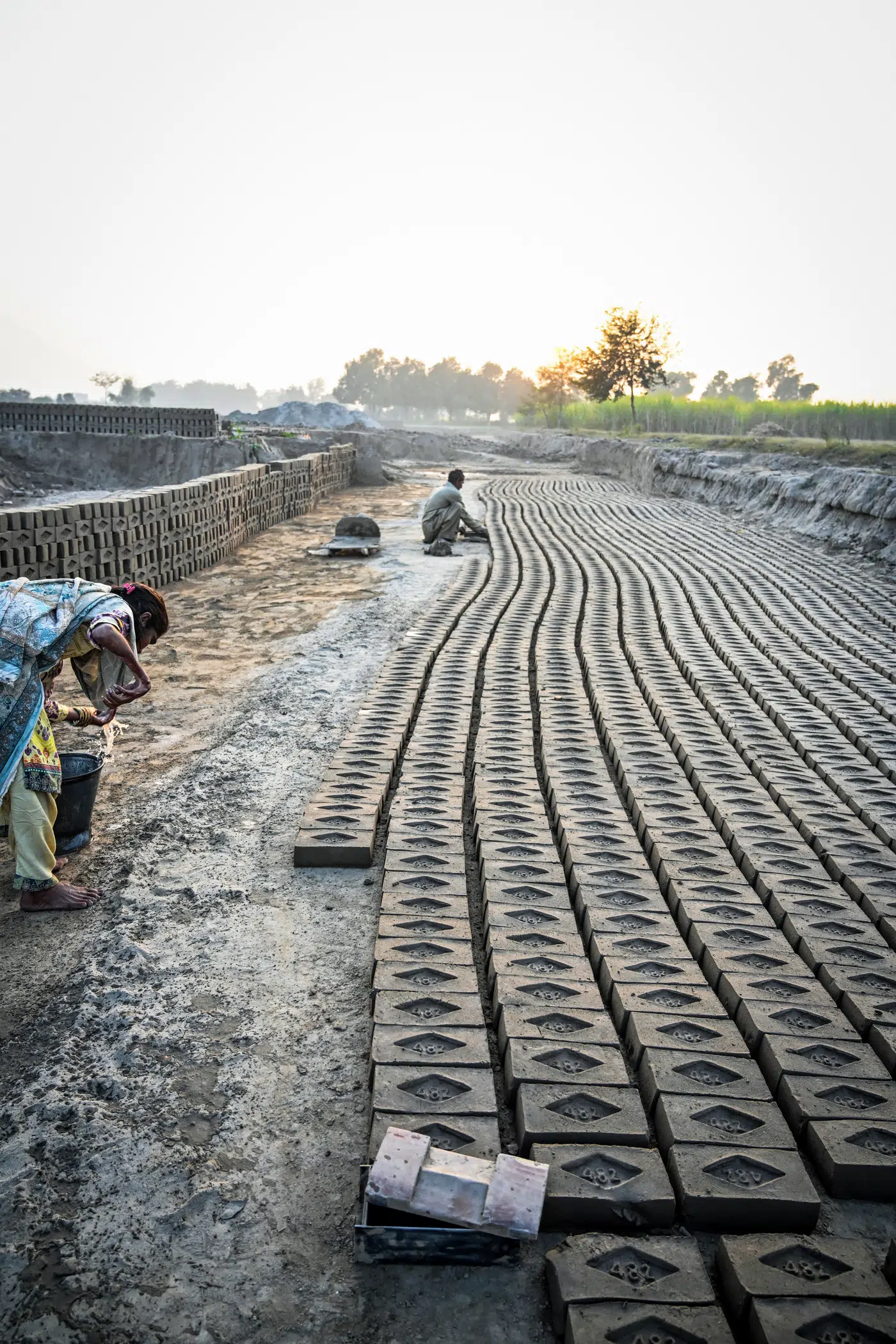
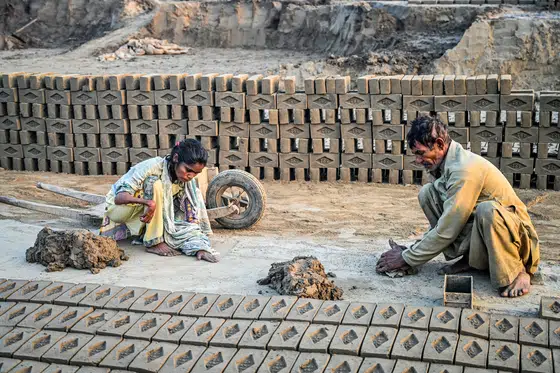
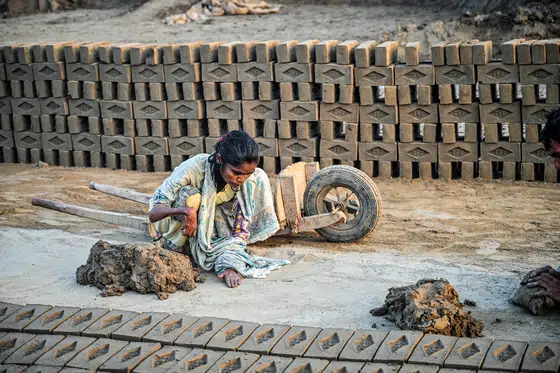
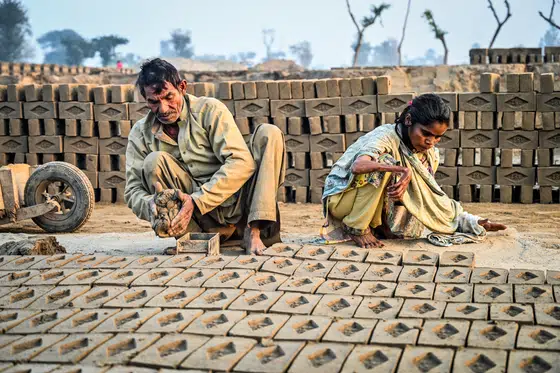
It is never paid off. Wages are counted per thousand bricks and set below what a family needs to eat. The shortfall is added to the debt. Tools, food and medicine are bought from the owner at his price, and added too. The number on the ledger goes up every month, not down.
When a parent dies, the debt passes to the children. Families have worked the same kiln for three generations without the figure ever reaching zero. Pakistan outlawed the practice in 1992. Even so, many families remain caught in these arrangements, and it is those families we are able to help.
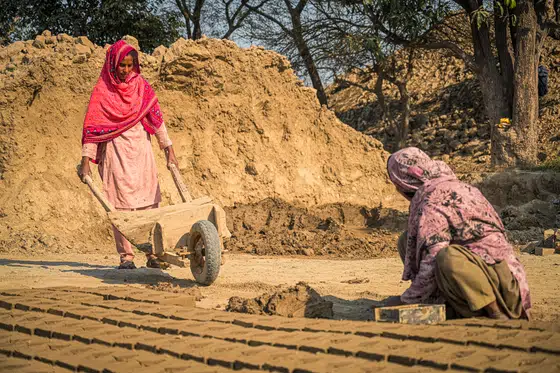
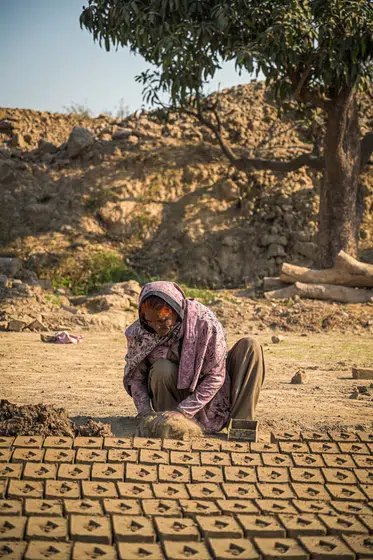
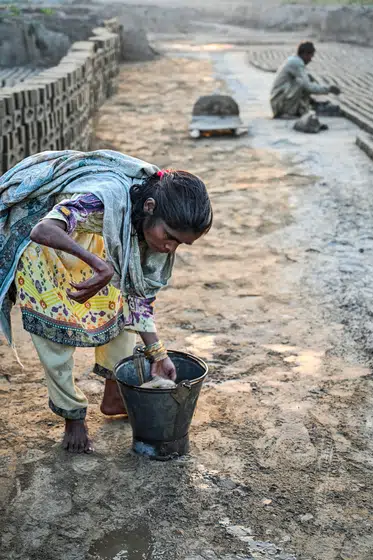
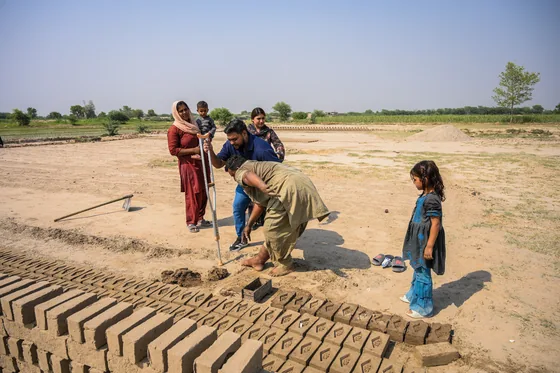
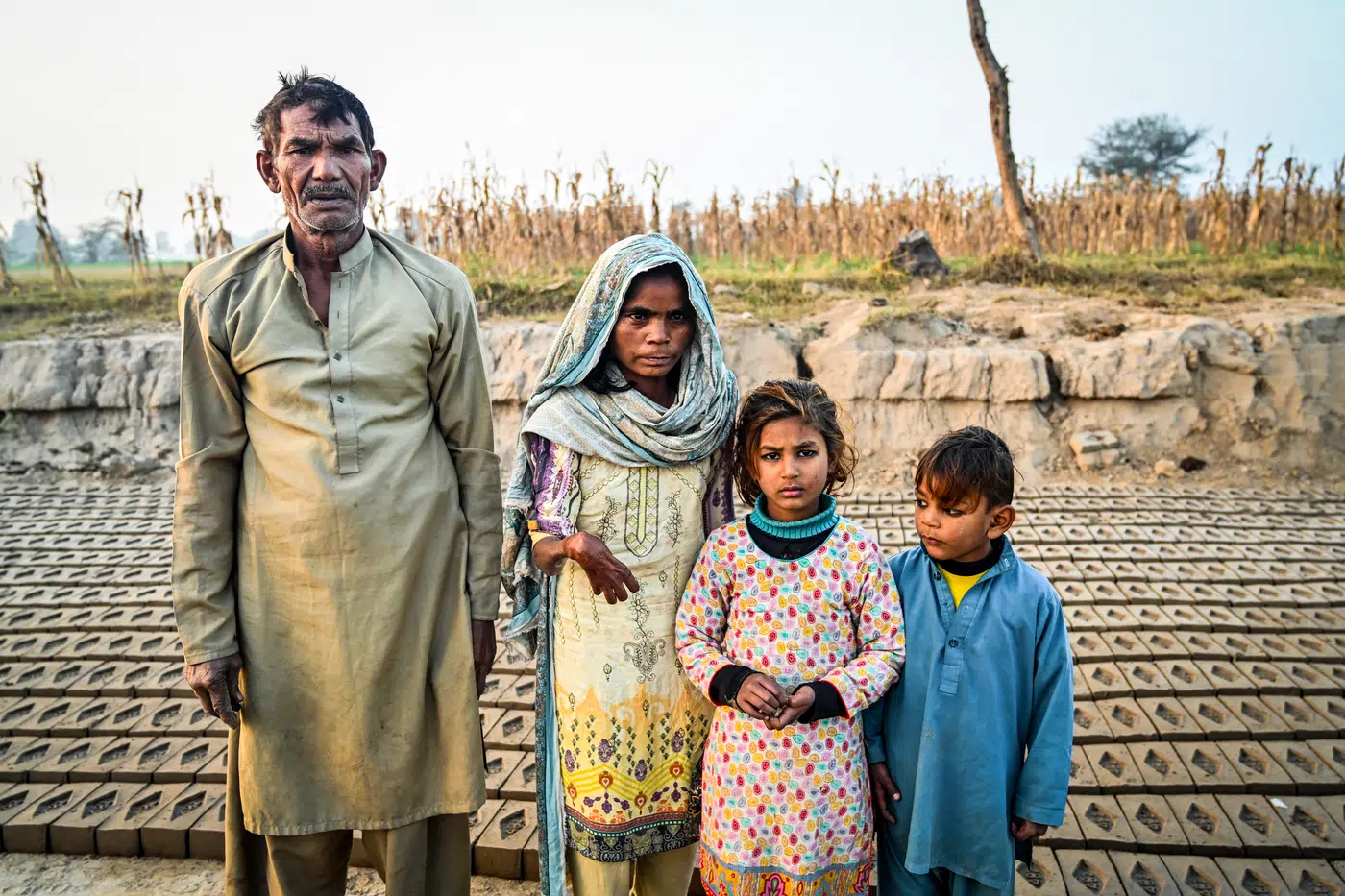
Work starts before dawn to beat the heat and continues through it anyway. Children carry clay beside their parents because the family target cannot be met otherwise. Most have no shoes. Many have never seen the inside of a classroom.
“Is not this the fast that I choose: to loose the bonds of wickedness, to undo the straps of the yoke, to let the oppressed go free, and to break every yoke?”
Isaiah 58:6By the grace of God and through our partners, we settle the debt — completely and permanently. The day the chain breaks is a day of celebration, praise and disbelief.
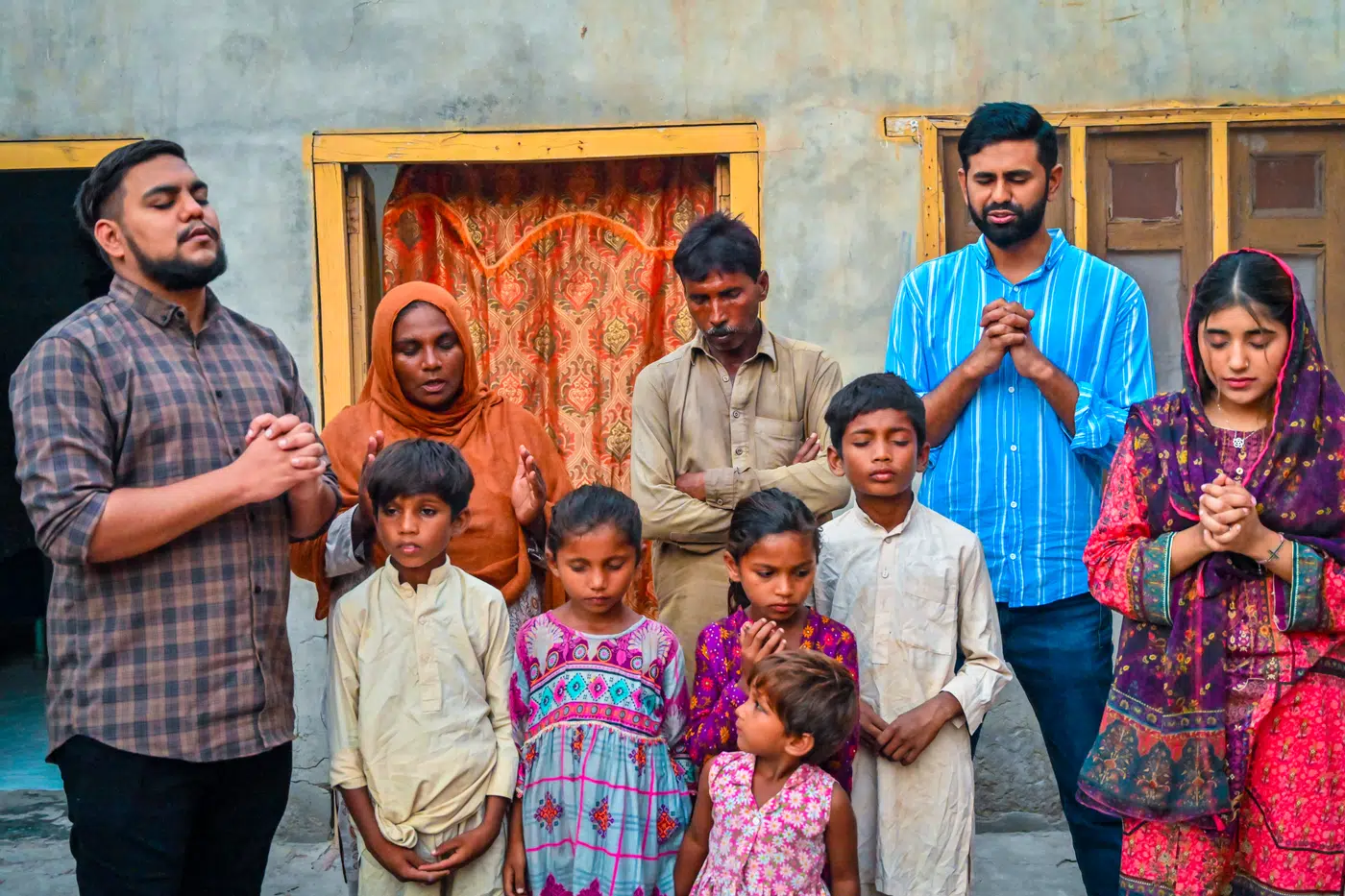
Long before any money changes hands, our teams visit the kiln, listen to the family's story, pray with them and share the Gospel. Nobody is rescued as a project.
Paid off completely and permanently, and recorded in writing, so the family has a clean and settled release.
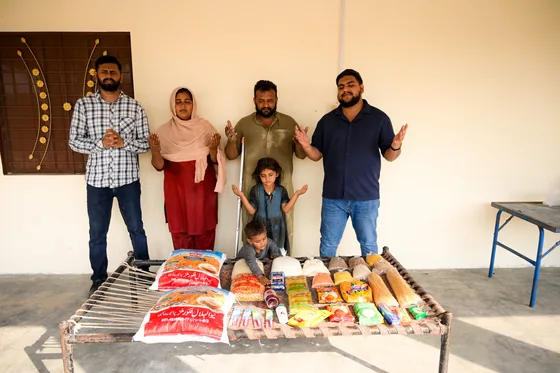
We help them gather what they own and settle somewhere peaceful, with a secure place to live and rations to cover the first weeks.
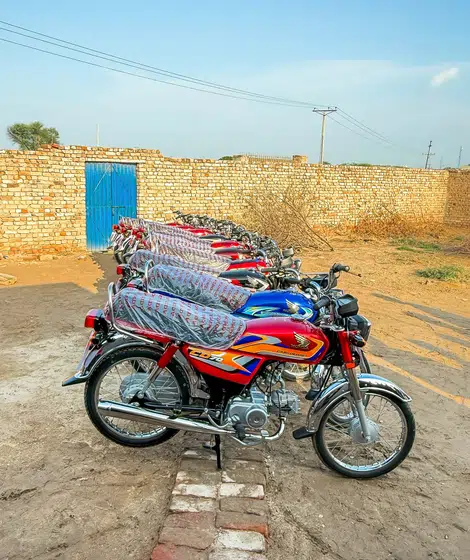
A small business setup — a shop, a sewing machine, tools — plus guidance, so the family earns with dignity instead of borrowing again.
Children who worked beside their parents get uniforms, books and a classroom. For most it is the first pencil they have ever held.
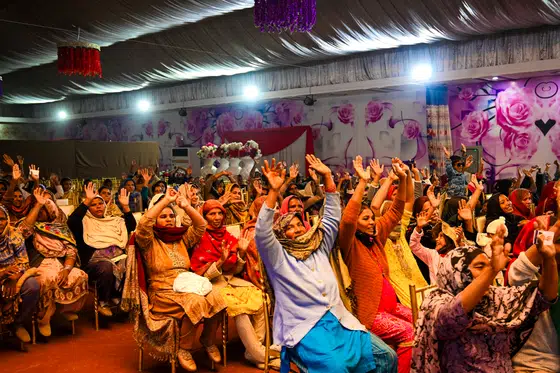
Every rescue ends the same way — a meal together, laughter, tears, and testimonies of what God has done.
Paying the debt is the first hour of the work, not the last. What keeps a family free is everything that comes after it — a home of their own, food while there is still no income, a classroom for the children, and a trade the parents own outright. A family that earns for itself never has to borrow from a kiln owner again, and that is where the whole thing used to begin.
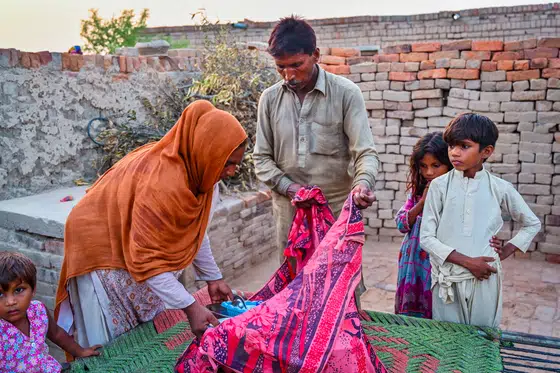
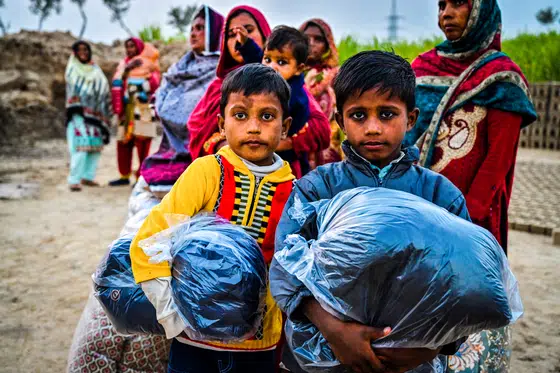
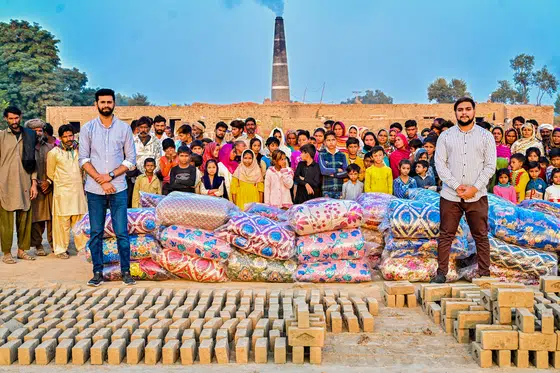
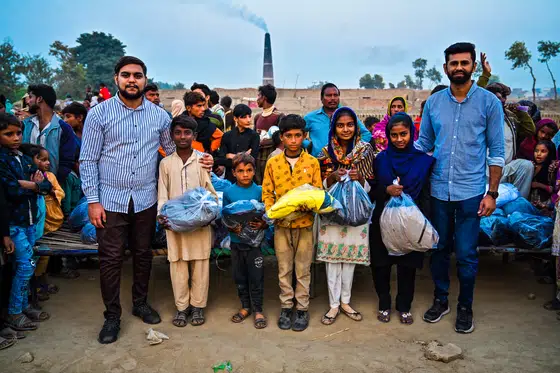
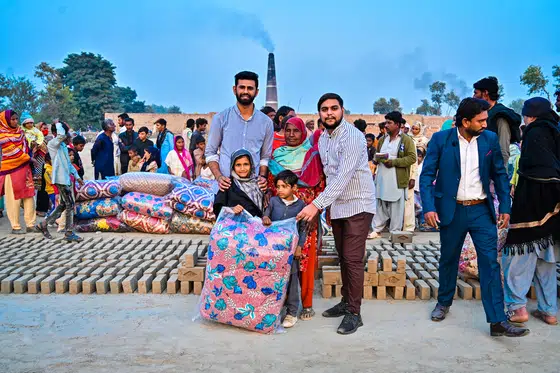
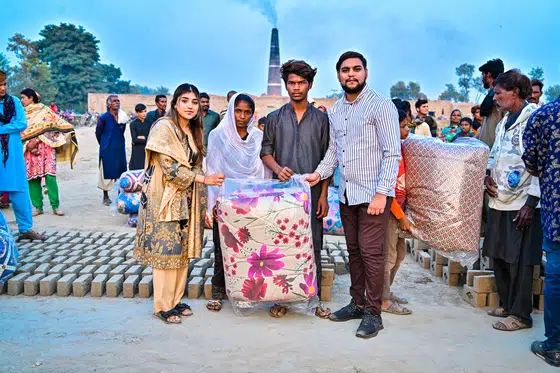
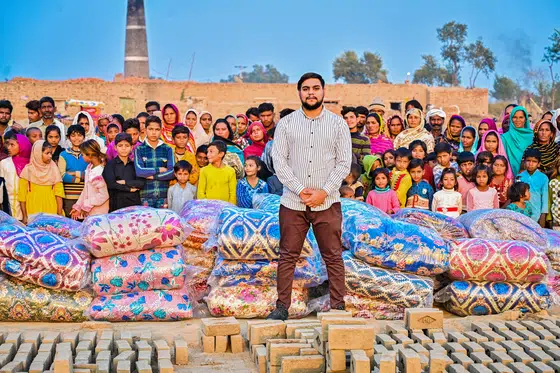
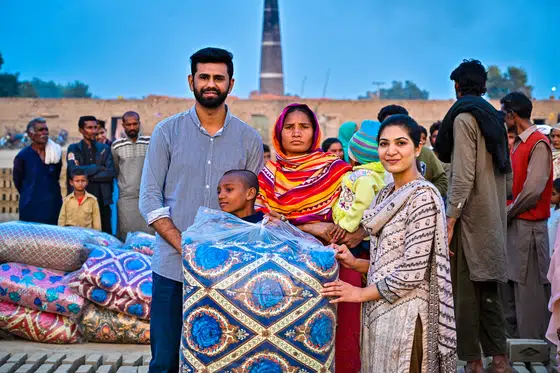
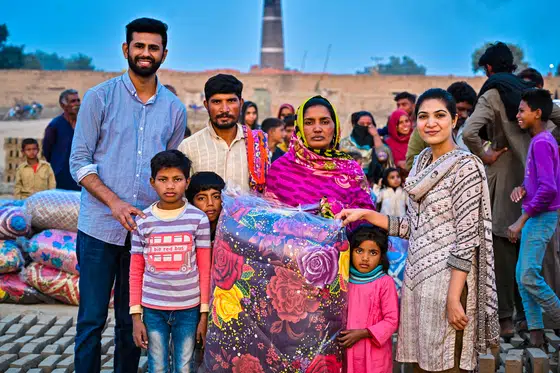
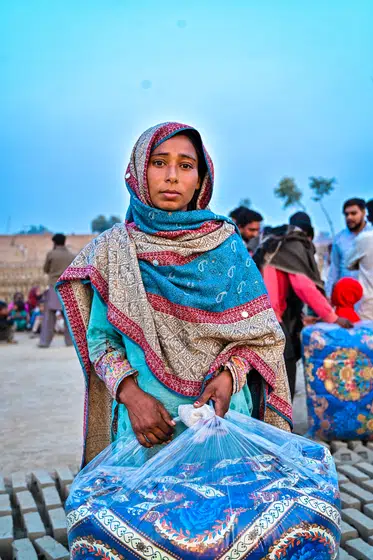
From December to February the nights in rural Punjab drop close to freezing. A kiln dwelling is one room, a dirt floor, an open doorway and no heating of any kind. So every winter we buy blankets and jackets in bulk and hand them out by name — the elderly first, then widows, then households with infants.
We are glad to do it and it matters on the night. But we want to be plain about what it is. It is a temporary measure against a permanent problem. The blanket keeps a child warm this January. It does not stop that child being at the kiln next January.
And it is the children that make this urgent. Small children work the full day beside their parents — in unbearable summer heat and in this cold — with no proper housing, no washrooms, and no clean water. They are not there because anyone chose it. They are there because of a debt somebody took before they were born.
The permanent solution is rescue. Clear the debt, move the family, feed them, school the children, set them up in a trade of their own. We have done it for two hundred and fifty families, and those families are living free, ordinary, happy lives today — which is the whole point.
“Your word is a lamp to my feet and a light to my path.”Psalm 119:105
“Religion that God accepts is this: to look after orphans and widows in their distress.”James 1:27
“He has sent me to proclaim freedom for the prisoners.”Luke 4:18
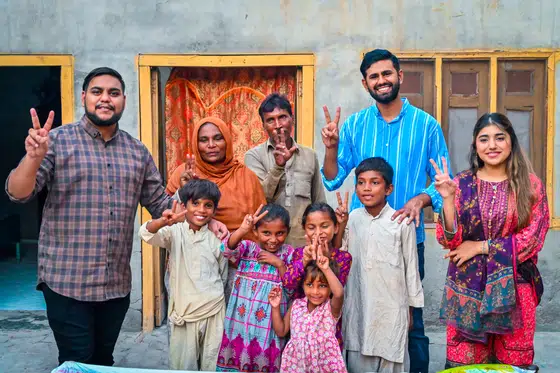
“My father owed the kiln. Then I owed the kiln. My son would have owed the kiln. Harvest Hands paid what we could never pay. The day we walked out I understood what redemption means — someone else settled a debt that was never going to end.”YaqoobFreed from bonded labour
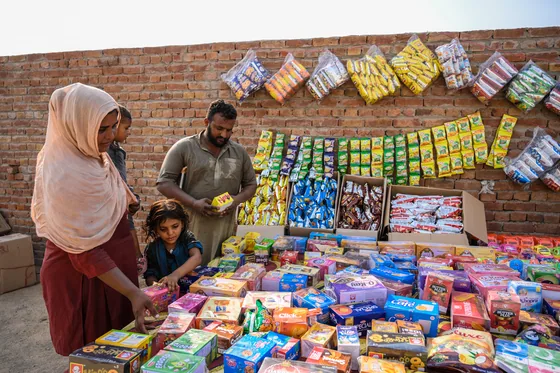
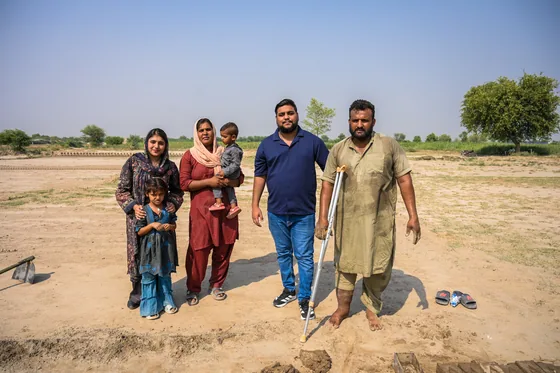
We met this family at the brick field, working off a debt that had been handed down to them before the children were born. The debt has been paid in full and the papers are signed. They are legally free, they live where they choose, and they now run a small shop of their own.
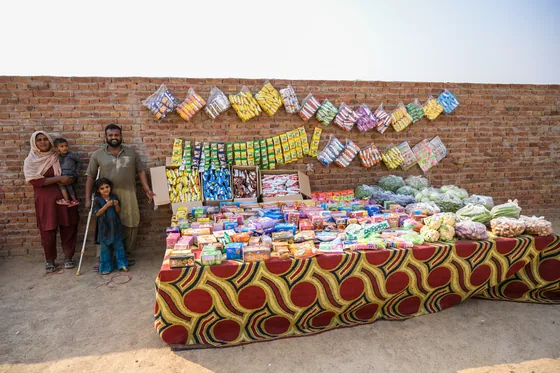
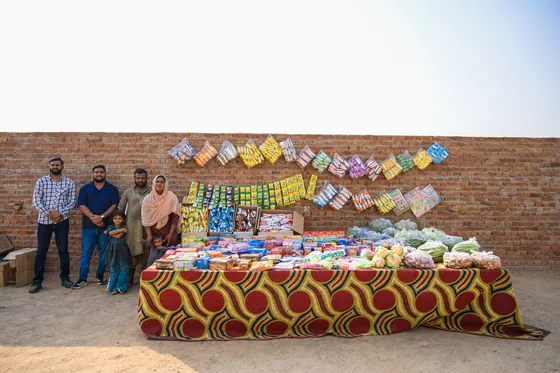
The shop is the part that makes it last. A family that earns for itself never has to borrow from a kiln owner again — and that is where the whole cycle used to begin.
He has sent me to proclaim freedom for the prisoners and recovery of sight for the blind, to set the oppressed free.Luke 4:18
Rescues are funded one family at a time. Write to us and we will tell you the exact cost of the next family on our list — no averages, no rounding.
Pick an amount — it opens PayPal straight away. No account needed.
All ways to give